

Interview with…
As part of the “Joli Mois de mai de l’Europe” in Occitanie, the 30th anniversary of Maria Sklodowsk-Curie Actions (MSCA) programmes, and the International Academic Freedom Day, IPBS is launching a new series of videos and carousels highlighting the European projects developed within the institute.
W will spotlight the researchers, projects, and international collaborations that shape European research at IPBS: MSCA fellowships, ERC grants, Horizon Europe and JPIAMR projects, and many other programmes supporting scientific innovation, researcher mobility, and interdisciplinary collaborations across Europe.
In this video, Olivier Neyrolles, Director of IPBS-Toulouse , shares his perspective on the importance of European funding for the institute, for fundamental research, and for scientific careers.
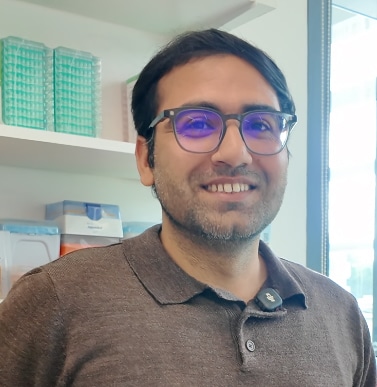
MIMETIC project – Exploring the hidden metabolic dialogue of tuberculosis
Launched through a Marie Skłodowska-Curie Postdoctoral Fellowship, the MIMETIC project explores an emerging and largely uncharted aspect of Mycobacterium tuberculosis (Mtb) biology: its exometabolome, i.e. the small molecules released by the bacterium into its environment.
Tuberculosis remains a major global health challenge, partly due to the complexity of interactions between the pathogen and its host. While much research has focused on bacterial genetics and virulence factors, far less is known about the role of secreted metabolites in shaping infection. The MIMETIC project addresses this gap by investigating how these molecules contribute to host–pathogen interactions.
During his fellowship at IPBS (Toulouse), Saurabh Chugh developed and implemented advanced analytical workflows combining nuclear magnetic resonance (NMR) and mass spectrometry to characterize these extracellular metabolites. His work revealed that Mtb releases a diverse and dynamic repertoire of compounds including sugars, amino acids, and signaling molecules, whose composition varies depending on environmental conditions.
These findings suggest that the exometabolome plays an active role in bacterial adaptation and may influence how the pathogen interacts with host immune cells. By providing a first detailed map of these secreted metabolites, the MIMETIC project opens new perspectives for understanding tuberculosis pathogenesis and identifying potential metabolic targets for future therapies.
Funded by a Marie Skłodowska-Curie Postdoctoral Fellowship, this project also highlights the role of European support in advancing scientific careers and fostering research excellence. The fellowship enabled Saurabh Chugh to expand his expertise into metabolomics and microbial metabolism, strengthen his scientific independence, and develop a coherent research programme at the interface of microbiology and host–pathogen interactions.
Building directly on these results, he will launch in 2026 a new project, METEOR, funded by the French agency ANRS. This project aims to move from discovery to mechanistic understanding by identifying key metabolites, uncovering the pathways that produce them, and determining their role in infection and immune modulation.
This transition illustrates how MSCA fellowships can act as a springboard for new research opportunities, supporting both scientific innovation and long-term career development.

MTB-DETOX project: « Tuberculosis: how the bacterium expels toxic metals to resist the immune system »
Tuberculosis, caused by Mycobacterium tuberculosis, remains a major global health challenge, responsible for more than 1.5 million deaths each year. Once inside the human body, the bacterium is rapidly engulfed by immune cells known as macrophages. These cells deploy several defense strategies to eliminate the pathogen, including the use of toxic metals such as zinc, copper, and cadmium. While essential at low concentrations, these metals become highly toxic at elevated levels and are used by the immune system to poison invading bacteria.
Despite this hostile environment, M. tuberculosis has evolved sophisticated mechanisms to survive. The MTB-DETOX project, led by Pierre Dupuy within the team “Interactions of mycobacteria with host cells” at IPBS, uncovered a previously unknown strategy based on the formation of dynamic membrane platforms called effluxosomes. These structures organize multiple molecular components involved in metal detoxification, enabling the bacterium to efficiently sense, capture, and expel toxic metals from its interior.
At the core of this system are three proteins : PacL1, PacL2, and PacL3 which act as key organizers within the bacterial membrane. PacL1 functions as a versatile “metal shuttle,” capable of binding different metal ions such as zinc, cadmium, and copper through a specific motif located at its extremity, and delivering them to specialized membrane pumps (notably P-type ATPases like CtpC and CtpG) responsible for metal export. PacL2 and PacL3 play complementary roles by stabilizing these pumps and promoting their assembly into functional clusters. Together, these proteins form highly coordinated and dynamic platforms that optimize the efficiency of metal efflux.
Using a combination of genetic, biochemical, and advanced imaging approaches including super-resolution techniques such as PALM and single-particle tracking PALM (sptPALM), the project revealed that effluxosomes are not static entities. Instead, they display a hierarchical and dynamic organization: some components form stable clusters within the membrane, while others remain highly mobile, diffusing rapidly to capture metal ions and deliver them to export systems. This spatial and temporal organization allows the bacterium to rapidly adapt to fluctuations in metal concentration and to withstand the immune system’s attacks in real time.
These findings have important implications for the fight against tuberculosis, particularly in the context of rising antibiotic resistance. Current treatments can be long, toxic, and increasingly ineffective against resistant strains. By targeting effluxosomes and disrupting the bacterium’s ability to detoxify metals, new therapeutic strategies could weaken M. tuberculosis and enhance the efficacy of both immune defenses and existing antibiotics.
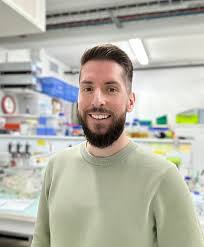
MabADAPT: Understanding how mycobacteria survive antibiotic stress
The MabADAPT project, led by Henrich Gašparovič and supervised by Christophe Guilhot at IPBS, is carried out within the “Molecular Mycobacterial Pathogenesis” team. This research group studies pathogenic mycobacteria such as Mycobacterium tuberculosis, the causative agent of tuberculosis, and Mycobacterium abscessus, an emerging opportunistic pathogen responsible for severe pulmonary and skin infections. The team’s overall objective is to understand the biological adaptations that make these bacteria highly successful pathogens and to use this knowledge to develop new therapeutic strategies.
The MabADAPT project focuses on one particularly important bacterial survival strategy: antibiotic tolerance. Unlike antibiotic resistance, which allows bacteria to grow despite the presence of antibiotics, tolerance enables bacteria to survive temporary exposure to antibiotics without necessarily carrying resistance mutations. While susceptible bacteria are rapidly killed during treatment, tolerant bacteria survive much longer under antibiotic stress. Once treatment ends, these surviving bacteria can resume growth, leading to persistent or relapsing infections. Importantly, tolerant bacterial populations also favor the emergence of true antibiotic resistance, now recognized as one of the major global health threats.
The project specifically investigates stress tolerance mechanisms in Mycobacterium abscessus, a rapidly emerging pathogen known for causing infections that are extremely difficult to treat. Current therapies are long, toxic, and often poorly effective, highlighting the urgent need for new approaches.
Through molecular biology, microbiology, and cellular approaches, MabADAPT aims to identify the key mechanisms that allow these bacteria to adapt and survive stressful conditions, particularly during antibiotic exposure. The project studies how certain bacterial populations, including so-called “persister” cells, can withstand antibiotic treatment and remain viable despite intense stress. By deciphering these adaptive processes, researchers hope to identify novel therapeutic targets capable of weakening bacterial tolerance and improving antibiotic efficacy.
The project is funded through a Marie Skłodowska-Curie Postdoctoral Fellowship (MSCA PF), a European programme supporting excellent researchers through international mobility and advanced scientific training.
Thanks to this fellowship, Henrich Gašparovič joined IPBS to develop an ambitious research programme within an international and interdisciplinary environment. Beyond supporting cutting-edge research, MSCA fellowships play a key role in fostering scientific collaboration, researcher mobility, and career development across Europe.
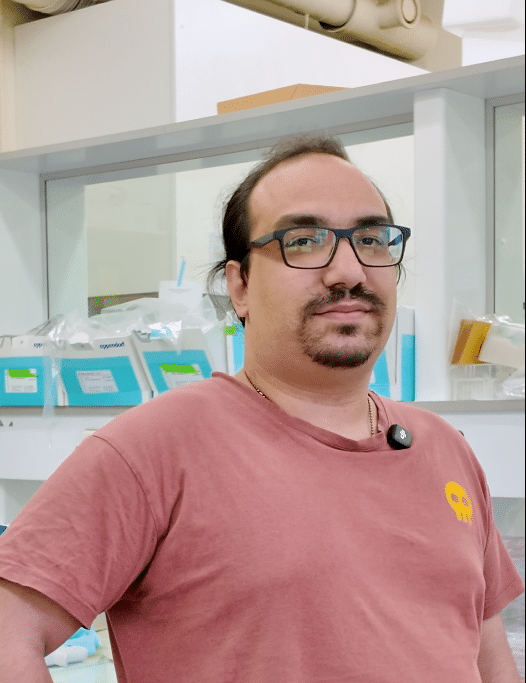
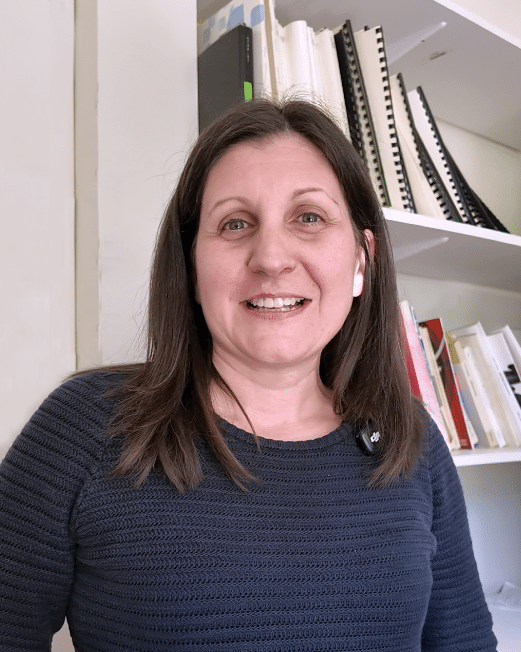
PROSTAMET – Decoding the dialogue between bone fat cells and prostate cancer cells
Prostate cancer frequently spreads to the bone, with up to 80% of patients advanced disease developing bone metastases. Far from being a passive environment, bone is a dynamic tissue that contains many different cell types including bone marrow adipocytes, a specific type of fat cell whose role in cancer has long been overlooked.
The project conducted in Catherine Muller’s team at IPBS explores how these fat cells influence the behavior of prostate cancer cells once they reach the bone. Unlike other fat cells in the body, bone marrow adipocytes have unique metabolic properties and are often located very close to tumor cells, especially in areas rich in active hematopoiesis.
To study these interactions in conditions as close as possible to reality, researchers use human cells isolated from patient samples and recreate the bone environment in the laboratory. Using 3D culture systems, bone fat cells and cancer cells are grown together, making it possible to directly observe how they interact. These experiments are complemented by advanced models, including organoids and animal models.
This research has revealed that fat cells and cancer cells engage in an active “dialogue” based on the exchange of lipids (fat molecules). Cancer cells can influence adipocytes, triggering the release of lipids that are then taken up and used by tumor cells. These lipids help cancer cells adapt to their environment and become more aggressive.
A key discovery of the project is the role of specific lipid molecules called oxylipins, produced by bone marrow adipocytes. In particular, two molecules 9-HODE and 13-HODE have been identified as important signals in this interaction. Rather than making cancer cells grow faster, these lipids increase their ability to move and invade other tissues, which is a critical step in the formation of metastases.
At the molecular level, these effects are linked to the activation of pathways involved in lipid metabolism, such as the PPARγ pathway, which allows cancer cells to reorganize how they use and store energy. This metabolic adaptation helps them survive and spread in the bone environment.
The project also aims to identify other lipids involved in this process using advanced techniques that allow researchers to track how molecules move from one cell to another. By better understanding these mechanisms, scientists hope to uncover new ways to block the spread of cancer.
This research is part of a Marie Skłodowska-Curie Doctoral Network (MSCA DN), a European funding programme that supports the training of doctoral researchers through international, interdisciplinary, and intersectoral collaborations.
Doctoral Networks bring together universities, research institutes, hospitals, and private-sector partners across Europe to train early-stage researchers in a highly collaborative environment. Beyond their scientific projects, doctoral fellows benefit from advanced training in transferable skills, innovation, and career development.
Within this project, partners from France, Belgium, Italy and Portugal combine complementary expertise in cancer biology, lipid metabolism, advanced imaging, bioinformatics, and translational research. The programme also includes secondments in leading European laboratories, allowing researchers to acquire new techniques and broaden their perspectives.
In this context, Alessandro Taccini is conducting his PhD in Catherine Muller’s team at IPBS under the supervision of Camille ATTANE, where he contributes to cutting-edge research on cancer metabolism while benefiting from a high-level European training environment. The MSCA DN programme illustrates how European funding supports both scientific excellence and researcher mobility, helping to shape the next generation of scientists.