MabADAPT: Understanding how mycobacteria survive antibiotic stress
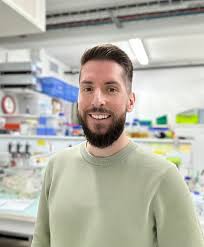
The MabADAPT project, led by Henrich Gašparovič and supervised by Christophe Guilhot at IPBS, is carried out within the “Molecular Mycobacterial Pathogenesis” team. This research group studies pathogenic mycobacteria such as Mycobacterium tuberculosis, the causative agent of tuberculosis, and Mycobacterium abscessus, an emerging opportunistic pathogen responsible for severe pulmonary and skin infections. The team’s overall objective is to understand the biological adaptations that make these bacteria highly successful pathogens and to use this knowledge to develop new therapeutic strategies.
The MabADAPT project focuses on one particularly important bacterial survival strategy: antibiotic tolerance. Unlike antibiotic resistance, which allows bacteria to grow despite the presence of antibiotics, tolerance enables bacteria to survive temporary exposure to antibiotics without necessarily carrying resistance mutations. While susceptible bacteria are rapidly killed during treatment, tolerant bacteria survive much longer under antibiotic stress. Once treatment ends, these surviving bacteria can resume growth, leading to persistent or relapsing infections. Importantly, tolerant bacterial populations also favor the emergence of true antibiotic resistance, now recognized as one of the major global health threats.
The project specifically investigates stress tolerance mechanisms in Mycobacterium abscessus, a rapidly emerging pathogen known for causing infections that are extremely difficult to treat. Current therapies are long, toxic, and often poorly effective, highlighting the urgent need for new approaches. Through molecular biology, microbiology, and cellular approaches, MabADAPT aims to identify the key mechanisms that allow these bacteria to adapt and survive stressful conditions, particularly during antibiotic exposure. The project studies how certain bacterial populations, including so-called “persister” cells, can withstand antibiotic treatment and remain viable despite intense stress. By deciphering these adaptive processes, researchers hope to identify novel therapeutic targets capable of weakening bacterial tolerance and improving antibiotic efficacy.
The project is funded through a Marie Skłodowska-Curie Postdoctoral Fellowship (MSCA PF), a European programme supporting excellent researchers through international mobility and advanced scientific training.
Thanks to this fellowship, Henrich Gašparovič joined IPBS to develop an ambitious research programme within an international and interdisciplinary environment. Beyond supporting cutting-edge research, MSCA fellowships play a key role in fostering scientific collaboration, researcher mobility, and career development across Europe.