
IPBS researchers coordinate or are partners in 5 projects funded by the French National Research Agency
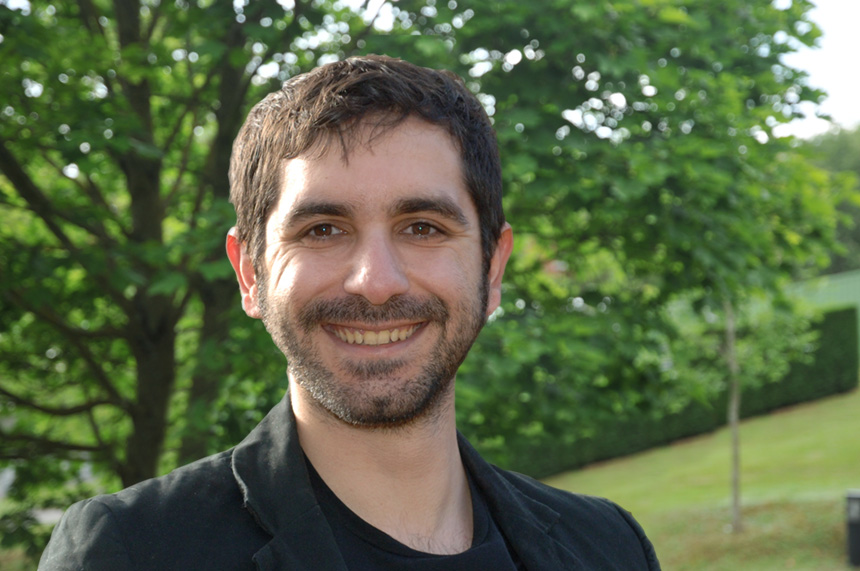
The CUTKILLER project is coordinated by Etienne Meunier.
While the protein Schlafen 11 (SLFN11) is recognized for its role in sensitizing cancer cells to chemotherapeutic agents, its function in non-cancerous and immune contexts remains largely unexplored. The CUTKILLER project seeks to uncover a novel innate immune pathway involved in the response to bacterial infections, in which SLFN11 functions as a sensor of single-stranded DNA generated following DNA damage.
The TRIMEGA project, in which Emma Lefrançais is a partner, aims to understand the mechanisms underlying post-infectious syndromes (Long COVID and Long Flu) by investigating the role of megakaryocytes, blood cells with still poorly understood immune functions. The project seeks to determine how respiratory viral infections reprogram these cells and promote chronic inflammation.
Anne Gonzalez de Peredo is partner in 3 projects:
ISC-TCR: Dissecting Inhibitory Signaling Circuits of TCR–Ligand discrimination using next-generation proteomics. Coordinator: Romain Roncagalli, CIML The proposal aims to characterize proteins with potential negative regulatory functions in the TCR pathway, their respective role in TCR–ligand discrimination mechanisms, the impact of these proteins on T cell fate, and whether they can be modulated to fine-tune T cell responses. In addition, we will develop ultrasensitive MS-based methods allowing to measure protein expression in single immune cells to comprehensively map in vivo cellular responses to low- or high-affinity antigens.
COSTIM-2: Fine-tuning T cell activation: dissecting the role of MARK2 as a molecular gatekeeper of CD28 signaling. Coordinator: Laurence Bataille, Curie Institute MARK2 acts as a molecular brake downstream of the TCR by phosphorylating key substrates and preventing PI3K–AKT–mTOR signaling and associated transcriptional programs. CD28 co-stimulation relieves this brake by inhibiting MARK2 activity, enabling full T cell activation. The main objective of this project is to define how MARK2 regulates the TCR and CD28 co-stimulatory pathways at the molecular level.
UbE3_2: E3 ubiquitin ligases as new therapeutic targets/tools in Type 2-high asthma. Coordinator: Pierre Lutz, Infinity The objective of this proposal is to identify and gain understanding of the biological functions of Th2-specific E3 ubiquitin ligases, defined as selectively expressed in Th2 cells and epigenetically repressed in naive CD4 T lymphocytes and alternative CD4 Th cell subsets, in both physiological and pathological contexts.
IPBS researchers coordinate or are partners in 5 projects funded by the French National Research Agency